
Flag of the Netherlands
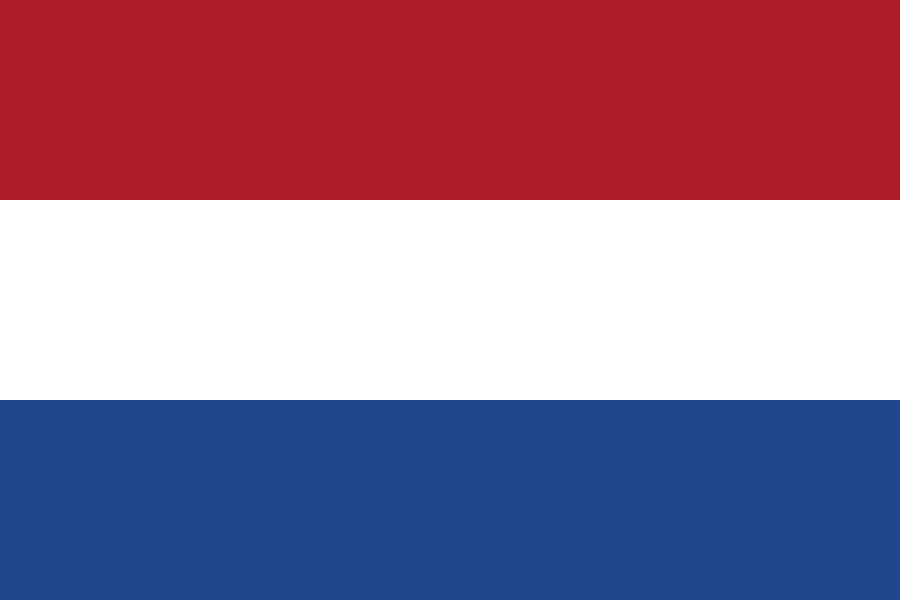
The Dutch flag is a red, white and blue horizontal tricolour. An older orange version and the orange pennants flown today help explain why orange is still closely associated with the Netherlands.
- Height to width
- 2:3
- Flag colours set by decree
- 1937
How orange gave way to red
The oldest reference cited by the Dutch Royal House dates to 1572 and describes an orange, white and blue flag. Orange pointed to the House of Orange, while white and blue came from the livery of the principality. During the seventeenth century, red gradually took the place of orange. The Royal House records a traditional explanation that red was easier to see at sea. The surviving sequence of flags shows the transition over time, even though this explanation is difficult to establish as its sole cause.
The two versions appeared again after Dutch independence was restored in 1813. The return of the House of Orange kept the orange version in public view, while red, white and blue was preferred for government buildings. Queen Wilhelmina’s royal decree of 1937 settled the national colours as bright vermilion, white and cobalt blue. The order on the flag puts red at the top, white in the middle and blue at the bottom.
Why orange still flies beside the Dutch flag
The familiar national flag has no orange stripe. You can still see orange in a pennant flown with the tricolour on occasions associated with the Royal House. The pennant is an additional piece of cloth attached to the display, so its presence does not change the design of the three bands. This distinction is useful at royal celebrations, where the pennant and the flag might be photographed together.
Orange is also familiar from Dutch supporters and team uniforms. At a sporting event, colour alone can therefore point to the Netherlands in two different ways: orange in the crowd and red, white and blue on the official flag. When identifying a historical image, check whether orange is part of the flag itself or extends as a separate pennant.
The Netherlands, Luxembourg and France
-
NetherlandsCobalt blue lower band 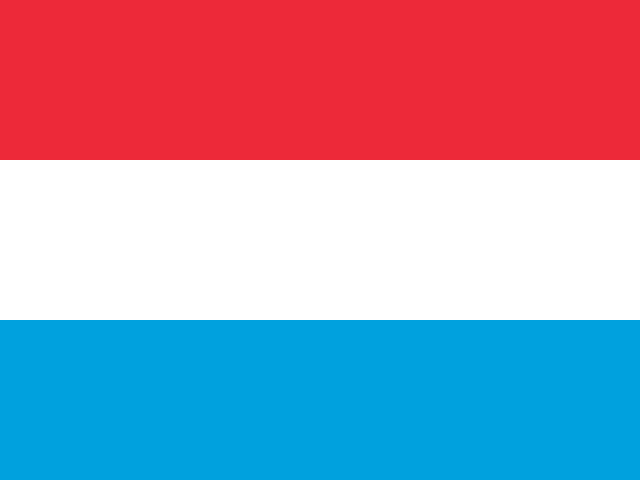
LuxembourgLight blue lower band 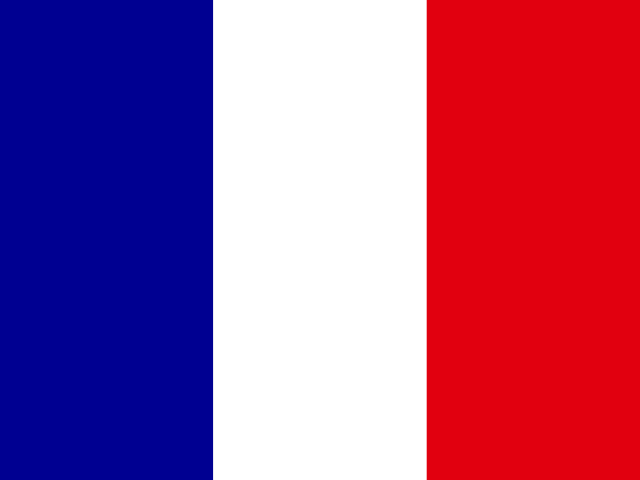
FranceVertical bands
The national flags of Luxembourg and the Netherlands share the same three horizontal bands in the same order. Luxembourg uses a lighter blue, while the Dutch specification calls for cobalt blue. The distinction is clearest when both flags are shown under the same light. If one example is faded or backlit, use the context as well as the shade.
France uses the same three colours in a different orientation. From the pole side to the free edge it reads blue, white and red in vertical bands. The Dutch flag reads red, white and blue down the flag. The flag of Germany has the same horizontal structure as the Dutch one, with black, red and gold in place of its colours. For a quick identification, check the direction of the stripes first and compare shades only when the layouts match.